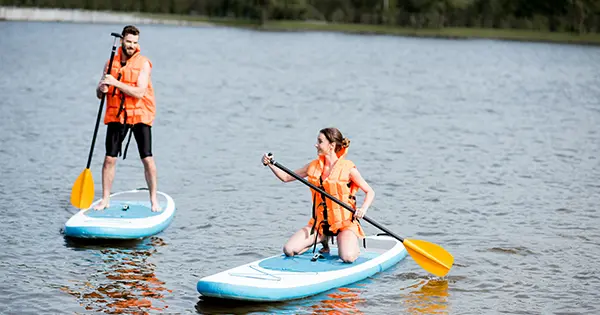
Stand-up paddleboarding can be very safe in the right conditions, yet calm water is deceptive. Many beginners discover late that risk is often a stack of small oversights—not a single dramatic wave.
These rules are here to improve judgement, not to create fear. Strong sessions usually come from strong preparation, not from chasing performance on tired shoulders.
1. Wear your leash, every time
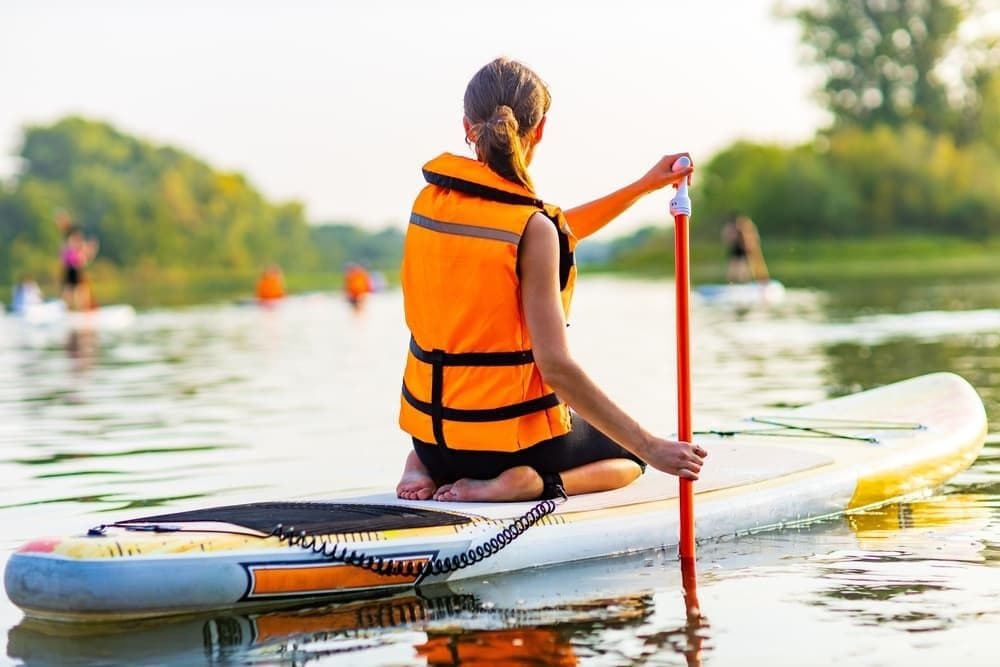
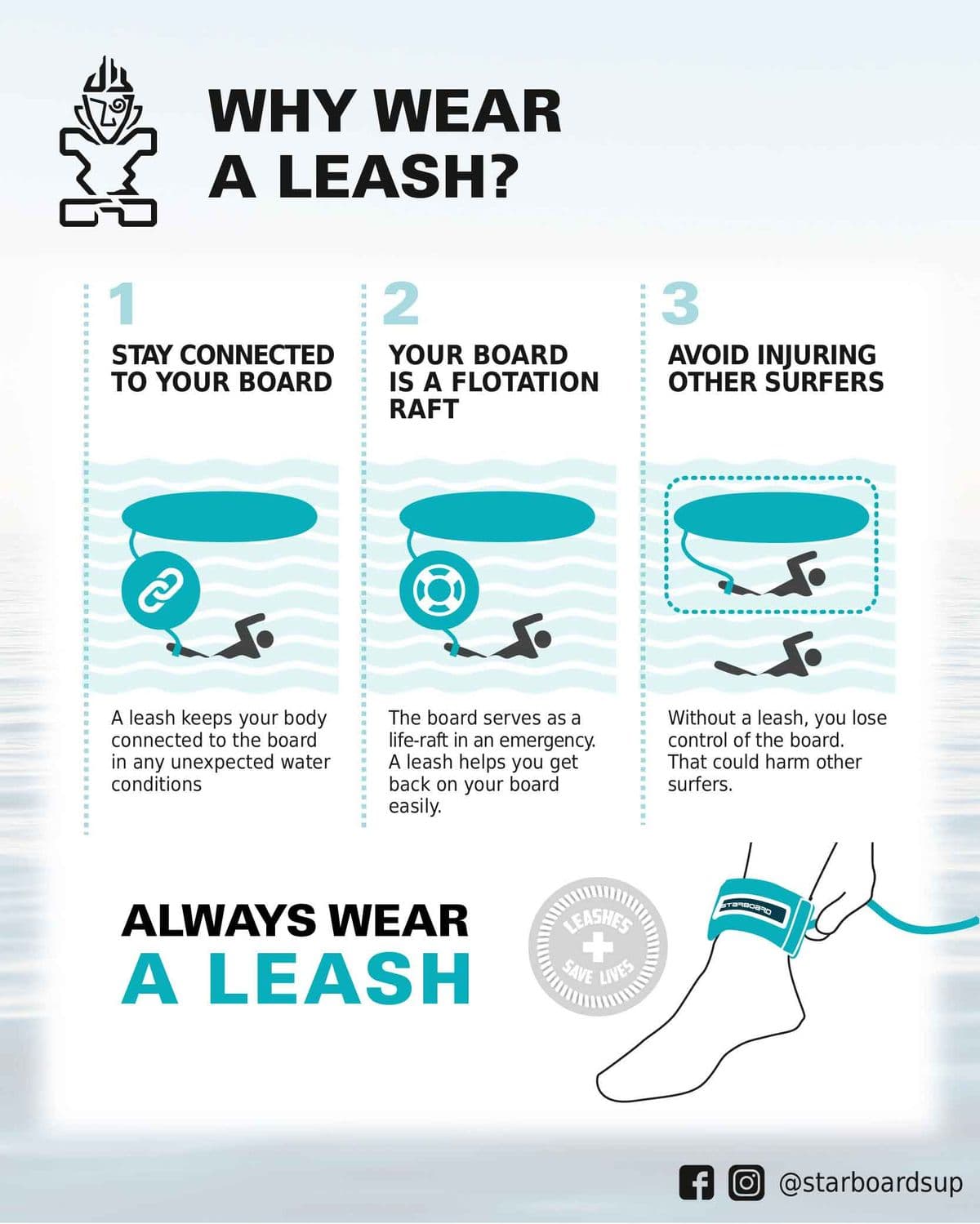
The ankle leash is not an accessory. If you separate from the board, it remains the largest floating platform near you—and your simplest way back. Wind can move a board away from a swimmer much faster than people expect.
The leash is not optional flair; it is the simplest link between you and your craft.
2. Respect wind and weather data
When wind pushes past roughly 10–15 knots, balance and turning get meaningfully harder for newer paddlers. “Sunny” is not a complete forecast; direction, strength, and intra-day shifts matter—especially along open Mediterranean coasts near Silifke and Mersin.
3. Avoid paddling alone when you can
A second person adds psychological and operational margin. At minimum, someone on shore should know you launched, your rough line, and when you plan to return.
4. Treat sun protection as performance gear
SPF 50+, sunglasses, a hat, and a light UV layer change outcomes. Water reflects light; you often receive more sun than it feels like. Heat plus glare quietly erodes focus.
5. Manage water and energy deliberately
Carry water even on short outings. In heat, dehydration undermines balance and decisions sooner than people admit. If you plan a longer leg, budget energy for the return—not only the outward glide.
6. Notice fatigue early
Deciding to turn back after you are tired is often a late decision. Return legs are not automatically as easy as the outbound track. A small bay can feel long when wind opposes you.
7. Actively scan other water users
Motor craft, kayaks, swimmers, and beach activity change continuously. When you hear an engine or see congested near-shore traffic, simplify your line and, if needed, pause to observe.
Bonus: a sixty-second pre-launch check
- Is the leash secure?
- Is the paddle length appropriate?
- Do I know my turn-back line?
- Have I read wind direction relative to shore?
- Do I know my realistic return time if conditions shift?
Safety expands the experience: when you feel settled, you learn faster—and enjoy Tisan’s water with a quieter mind.